
"Japanese siphon"
500 article(s) found

An introduction to Coffee Culture in Japan
Today, Japan has become the world's third largest importer of coffee, after the United States and Germany, importing 400000 tons of unroasted coffee beans in 2000 alone. Young people in Japan regard going to cafes as part of their urban life. Little bourgeois lifestyle is also very popular in Japan. Since the 1990s, cafes have gradually become a big city in Japan.

Don't buy coffee powder? 10 questions about making boutique coffee at home. Is the general coffee powder good at brewing?
Professional coffee knowledge exchange more coffee bean information Please follow the coffee workshop (Wechat official account cafe_style) drink good coffee at home, from the selection of beans, brewing methods to coffee utensils are very knowledgeable. What kind of adjustment tools do you need at home? How do you divide the types of coffee? Why not buy coffee powder? Now answer 10 questions about making coffee at home: Q: coffee brewing on the market

Novice ten questions: why not buy coffee powder coffee powder can be directly brewed? how to drink coffee powder
Professional coffee knowledge exchange more coffee bean information please follow the coffee workshop (Wechat official account cafe_style) coffee powder brewing method diagram of a second to understand how coffee powder brewed at home to drink good coffee, from the selection of beans, brewing methods to coffee utensils are very knowledgeable. What kind of adjustment tools do you need at home? Why not buy coffee powder? Answer the 10% of your coffee making at home now.
Boutique Coffee learn how to choose and buy coffee pots
Now the coffee pots on the market are all drip-type, and they are divided into Japanese style, American style and Italian style. The Japanese coffee maker, also known as the siphon pot, has an alcohol lamp on the base and two glass balls on it. It heats the water from the lower glass ball to produce water vapor, pushes the hot water from the lower sphere to the upper pot, and then sucks back the coffee extracted from the upper glass ball after the lower pot cools. Cooked in a Japanese coffee pot

Why are you advised not to buy coffee powder around? Is it really that hard to make your own cup of coffee?
Professional coffee knowledge exchange more coffee bean information please follow coffee workshop (Wechat official account cafe_style) coffee powder _ how to cook coffee powder _ how to brew coffee powder how to drink good coffee at home, from the selection of beans, brewing methods to coffee utensils have a lot of knowledge. What kind of adjustment tools do you need at home? Why not buy coffee powder? Answer 10 questions about making coffee at home now.
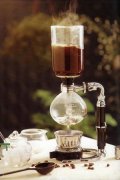
The history of siphon pot
In 1840, a glass test tube in a laboratory triggered the invention of the siphon coffee maker (Syphon). The British took the test tube used in Biya's chemical experiment as a model to create the first vacuum coffee pot.
A brief introduction to Coffee Culture in Japan
Today, Japan has become the world's third largest importer of coffee, after the United States and Germany, importing 400000 tons of unroasted coffee beans in 2000 alone. Young people in Japan regard going to cafes as part of their urban life. Little bourgeois lifestyle is also very popular in Japan. Since the 1990s, cafes have gradually become a big city in Japan.
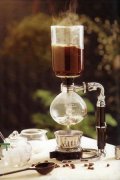
Coffee training: the History of siphon Pot
In 1840, a glass test tube in a laboratory triggered the invention of the siphon coffee maker (Syphon). The British took the test tube used in Biya's chemical experiment as a model to create the first vacuum coffee pot. Two years later, Mrs. Bachang of France improved the kettle, and the familiar upper and lower convection siphon pot was born. The siphon coffee maker lived in France for a long time.

Introduction to the Grinding Calibration of Japanese hand-made Coffee
The biggest difference is that the American hand flushes the coffee powder with a stirring stick, which is similar to the way we make siphon pots, or stir-fry with heavy water, while Japanese, Korean, Taiwan and domestic hand-made coffee only uses water to draw circles. Coffee powder is rarely stirred with sticks or bamboo slices. Hand flush American style, Japanese style and other genre techniques, after watching the change of hand flush master American style: large current, strong water column, impact turn
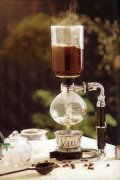
Coffee training Kitcher-History of siphon Pot
In 1840, a glass test tube in a laboratory triggered the invention of the siphon coffee maker (Syphon). The British took the test tube used in Biya's chemical experiment as a model to create the first vacuum coffee pot. Two years later, Mrs. Bachang of France improved the kettle, and the familiar upper and lower convection siphon pot was born. The siphon coffee maker lived in France for a long time.

Can individual coffee be used to match?
Charcoal coffee the Japanese invented this coffee, which is also named after roasting. There is a prefecture in Japan that produces long carbon. The Japanese use this carbon to bake coffee beans, giving this coffee a faint charcoal-burning flavor. Just like our Beijing Roast Duck, it uses a special kind of fruit wood barbecue. In fact, it can be cooked with other wood like ducks, but with this kind of fruit trees, ducks are fragrant.

Coffee training pot articles about the history of siphon pots
In 1840, a glass test tube in the laboratory triggered the invention of the siphon coffee pot (Syphon), and the British took Biya as a prototype for chemical experiments to create the first vacuum coffee pot. Two years later, the French Baxiang lady improved the pot, and the familiar upper and lower convection siphon pot was born. Siphon coffee pots lived in France for a long time,
Learn about siphon pots
Brand: Harrio Japan Harrio siphon pot: glass with high transparency. The details of the products are exquisite in workmanship and feel good. High gloss! Number of servings: 2, 3 and 5 siphon brewed coffee, which is the favorite of many coffee fans. Some people say that because it can extract the most perfect part of coffee, especially if the properties of coffee beans have that kind of refreshing and clear acid, and sour
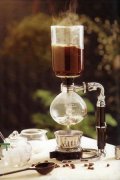
Boutique coffee who invented the siphon pot to make coffee
In 1840, a glass test tube in a laboratory triggered the invention of the siphon coffee maker (Syphon). The British took the test tube used in Biya's chemical experiment as a model to create the first vacuum coffee pot. Two years later, Mrs. Bachang of France improved the kettle, and the familiar upper and lower convection siphon pot was born. The siphon coffee maker lived in France for a long time.
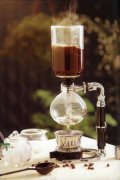
The History of siphon Pot basic knowledge of Coffee utensils
In 1840, a glass test tube in a laboratory triggered the invention of the siphon coffee maker (Syphon). The British took the test tube used in Biya's chemical experiment as a model to create the first vacuum coffee pot. Two years later, Mrs. Bachang of France improved the kettle, and the familiar upper and lower convection siphon pot was born. The siphon coffee maker lived in France for a long time.
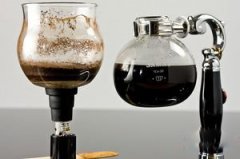
Basic knowledge of siphon pot making coffee
In 1840, a glass test tube in a laboratory triggered the invention of the siphon coffee maker (Syphon). The British took the test tube used in Biya's chemical experiment as a model to create the first vacuum coffee pot. Two years later, Mrs. Bachang of France improved the kettle with a little spring in shape, and the familiar upper and lower convection siphon pot was born.
About the siphon kettle
Siphon Coffee (plug Wind Brewing) in 1840, a glass test tube in a laboratory triggered the invention of the siphon coffee maker (Syphon). The British took Biya's test tube for chemical experiments as a model to create the first vacuum coffee pot. Two years later, Mrs. Bachang of France improved the kettle with a little spring in shape, and the familiar upper and lower convection siphon pot was born.
Japanese coffee introduces the most expensive coffee
The most expensive coffee in Japan was first introduced to Japan by Dutch missionaries and businessmen around 1630, when the Dutch desperately promoted coffee to their Asian colonies of Sri Lanka and Java, India. But the Japanese don't accept this weird drink at all. It was not until the Meiji Restoration that Japanese society began to learn from the West that people gradually began to learn.
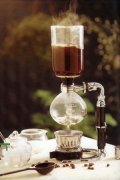
The History of siphon Pot for making Fine Coffee training Pot
In 1840, a glass test tube in a laboratory triggered the invention of the siphon coffee maker (Syphon). The British took the test tube used in Biya's chemical experiment as a model to create the first vacuum coffee pot. Two years later, Mrs. Bachang of France improved the kettle, and the familiar upper and lower convection siphon pot was born. The siphon coffee maker lived in France for a long time.
The foundation of fine coffee has been introduced to Japanese coffee.
Coffee first entered Japan, brought by Dutch missionaries and merchants around 1630, when the Dutch desperately promoted coffee to their Asian colonies of Sri Lanka and Java, India. But the Japanese don't accept this weird drink at all. It was not until the Meiji Restoration that Japanese society began to learn from the West that people gradually accepted the advanced West.